MOQ & price
Share your trial quantity and expected repeat demand. MOQ and price are quoted for the proposed grade and order.
Cyanotis arachnoidea root extract · UV & HPLC specified separately
Source Cyanotis arachnoidea root extract with UV ≥90% or a dual UV ≥90% / HPLC ≥30% specification reference. Tell us the assay method you need to discuss documents, samples and a bulk quotation.
Public specification references and a document checklist. Not a supplier COA.
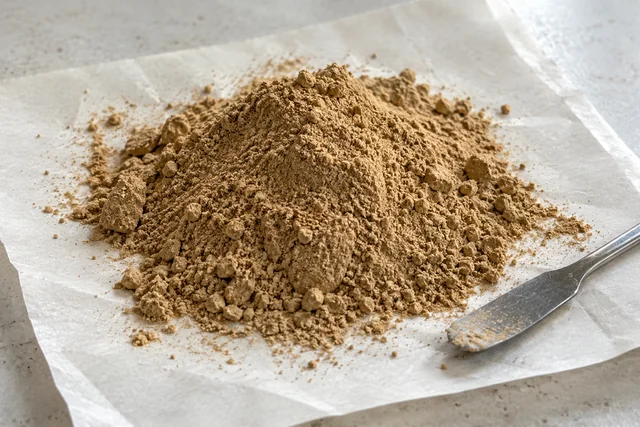
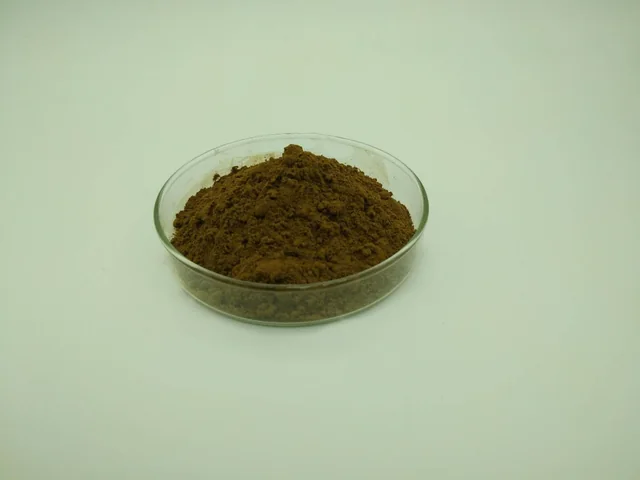
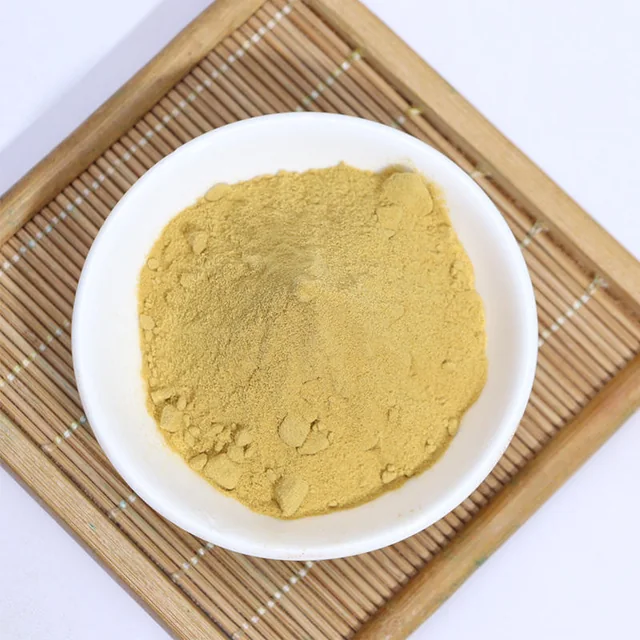
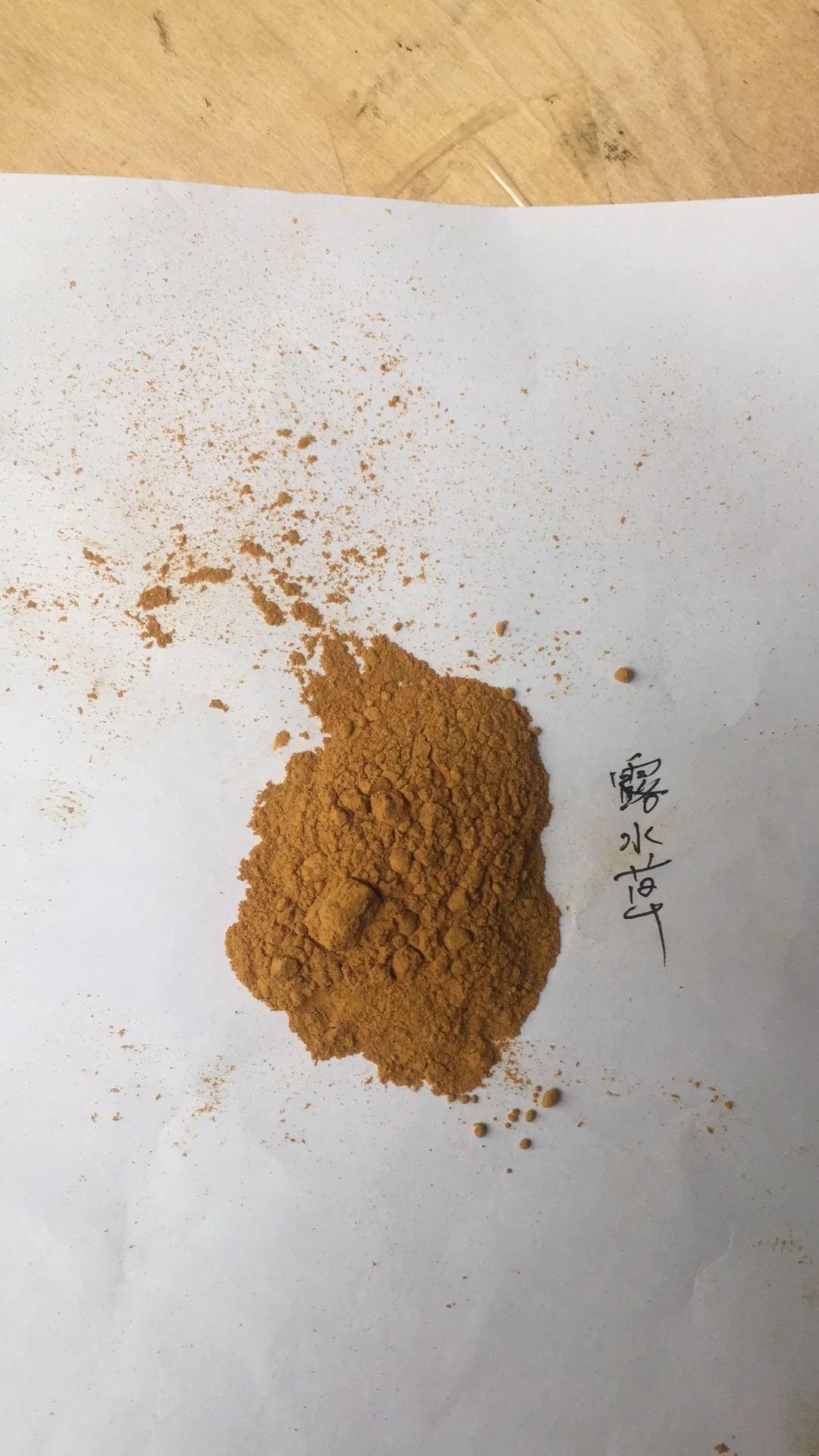
Discuss the exact material, application and destination requirements before commercial supply. Reference image; appearance is not a batch specification. Request actual sample or batch photos when evaluating a proposed supply.
State the source plant, target assay and analytical method. Tell us the intended application and destination country.
Ask us to check the proposed grade, available technical documents and sample arrangements with the source. Confirm sample-batch identity and compare the assay, related compounds and physical characteristics with your requirements.
Cyanotis arachnoidea CB.Clarke root extract.
These specifications are supported by supplier documents. Confirm the proposed grade and current-lot COA before ordering; availability, price and lead time are quoted for your request.
| Specification reference | Assay method |
|---|---|
| Ecdysterone ≥90% | UV |
| ≥90% UV; ≥30% HPLC | UV + HPLC, separately |
| Parameter | UV 90% grade | UV 90% / HPLC 30% grade | Recorded method |
|---|---|---|---|
| Appearance | Brown-yellow powder | Brown powder | Visual |
| Moisture | ≤5.0% | ≤5.00% | CP2015; 105°C, 4 h |
| Ash | ≤5.0% | ≤5.0% | CP2015 |
| Particle size | 95% through 80 mesh | 95% through 80 mesh | CP2015 |
| Total heavy metals | <10 ppm | <10 ppm | CP2015 |
The HPLC procedure specifies C18 (4.6 × 250 mm, 5 μm), methanol–water (43:57, v/v), flow 1 mL/min, detection at 250 nm, 30°C, 10 μL injection and external-standard calculation. The separate UV procedure measures absorbance in ethanol at 242 ±2 nm. These are different measurement procedures: a UV percentage must not be presented as an HPLC result. Request the full method and confirm reference-standard identity and reporting basis.
Send your target grade, quantity, intended use and destination. We coordinate specification questions and document requests with the source, then discuss sample arrangements and commercial terms for your review.
Final composition, packaging, storage, shelf life and destination-specific requirements are confirmed for the proposed material. A specification reference does not establish approval for every application or market.
Each published reference has a defined material and method scope. Ask for records applicable to the grade and lot proposed for your order.
| Reference scope | Supplier-document basis | For your purchasing review |
|---|---|---|
| UV ≥90% | Supplier UV90 COA and separate UV procedure | Specify the UV requirement and request a current-lot COA and reporting basis. |
| UV ≥90% / HPLC ≥30%, separately | Supplier dual-method COA; separate HPLC and UV procedures | Keep both limits and methods in the inquiry and accepted specification. |
| Cyanotis arachnoidea root extract | Selected source COAs identify the plant and root | Confirm source, composition and method applicability for the proposed grade. |
Reference specifications and supplier procedures describe their stated scope. Current-lot documents, file availability and order requirements are confirmed for the proposed material.
The published references concern Cyanotis arachnoidea root extract. One specifies UV ≥90%; a separate dual-method reference states UV ≥90% and HPLC ≥30%. Keep the two method results separate in your inquiry and accepted specification.
| Published reference | UV requirement | HPLC requirement | Purchasing consequence |
|---|---|---|---|
| UV reference | ≥90% | Not specified by this reference | Do not describe it as HPLC ≥90% |
| Separate dual-method reference | ≥90% | ≥30%, reported separately | Ask for both results and their applicable procedures |
A UV percentage is not a conversion factor for an HPLC result. Ask for the named analyte, reference substance, sample preparation and reporting basis, and confirm the method scope for the offered grade. A chromatogram by itself does not establish that its sample matches the proposed shipment.
Alongside the assay, review source identity, root declaration, composition, physical limits and the applicable document set. Confirm quantity, sample arrangements, destination and quotation terms against that same brief.
Content updated . Reference specifications do not establish current stock, a fixed MOQ or market approval.
Ask for the proposed specification, current-lot COA, supplier assay procedure, applicable MSDS and source/process information. Availability of additional testing is confirmed for the proposed material.
Proposed limits, batch identification, reported results and test methods. Request the specification first if no batch has been selected.
Material identity, source or production route, full composition, carriers and supporting analytical information.
Ask for SDS where applicable, storage conditions, packaging and shelf-life information for the proposed material.
Ask about relevant allergen, microbiology, contaminant or certification records. Required evidence and supplier scope must be confirmed.
Define these points alongside the material specification so the source can review one complete purchasing brief.
Share your trial quantity and expected repeat demand. MOQ and price are quoted for the proposed grade and order.
Tell us the sample quantity, tests and destination. Availability, preparation time, sample cost and freight are confirmed before arrangements.
State pack size, labeling, storage and shelf-life requirements. Request the matching handling records for the proposed material.
Include destination, required timing and preferred Incoterm. Production or stock status, dispatch timing and freight are checked for the proposed order.
Include UV ≥90% or a dual UV ≥90% / HPLC ≥30% reference, with methods stated separately, trial quantity, destination and intended application. Add your required documents and requested sample evaluation so the proposed material can be reviewed against one brief.
Yes. Select technical documents or sample evaluation in the inquiry form for Ecdysterone. We check availability with the proposed source. Include these product requirements: Source plant and plant part; Ecdysterone assay and related compounds; Process, composition and intended category. Document scope, sample arrangements and any costs are confirmed for the proposed material.
A Ecdysterone quotation needs the agreed grade, quantity, packaging, destination and trade terms. Discuss sample requirements and document gaps before accepting an offered specification; this page does not publish fixed prices or batch availability.
Start with Ecdysterone. Add the requirements below, then continue to the inquiry form with these details filled in.